Aircraft surfaces face conditions no ground vehicle encounters. UV intensity increases roughly 15 percent for every 1,000 feet of altitude, accelerating paint fade and oxidizing polished aluminum at a rate that makes automotive exposure look mild by comparison. Add the cleaning cycles between flights, fuel and exhaust residue, and the professional standard that working aircraft have to maintain, and the need for serious surface protection is clear.
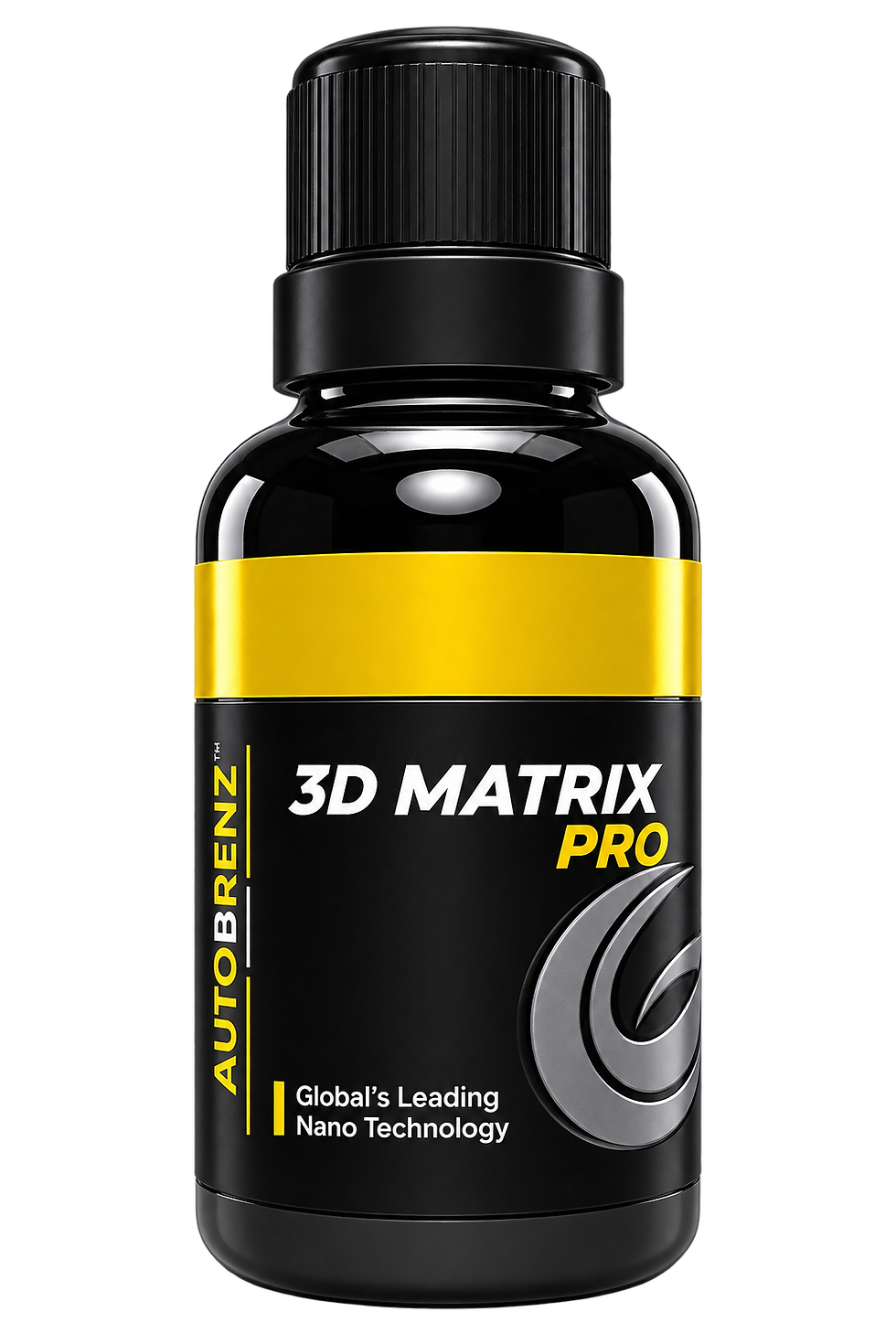
Rhino's aviation ceramic coating is engineered for aircraft surfaces, not borrowed from the automotive shelf. The aerospace-grade formula covers the surfaces that matter on an aircraft: painted airframes, polished and bare aluminum, and Plexiglas canopies and windscreens. It creates a hard, chemically resistant barrier that deflects UV radiation, speeds up cleaning between flights, and preserves the finish that keeps aircraft looking the way they should.
This is a purpose-built aviation product. The chemistry, application process, and performance expectations are all calibrated for aircraft surfaces. It is not a car coating applied at altitude and relabeled.
Private owners who maintain their own planes and professional aviation maintenance crews will both find what they need here. From single-aircraft kits to professional quantities, Rhino covers the full range of airplane detailing products built specifically for the job. Our flagship aircraft ceramic coating carries Rhino's lifetime warranty, giving you long-term protection built around real operational demands.
Browse our full line of aircraft ceramic coatings below.
AIRCRAFT COATINGS

Aircraft Coatings Engineered for Aviation Performance
Why Rhino Aircraft Coatings Are Different
-
Aviation‑grade chemical resistance
-
High‑temperature stability
-
Reduced drag through slick surface finish
-
UV and oxidation protection
-
Easier cleaning and maintenance
-
Long‑term gloss retention
Best Uses
-
Aircraft fuselage
-
Wings and control surfaces
-
Landing gear components
-
Polished metal
-
Composite materials